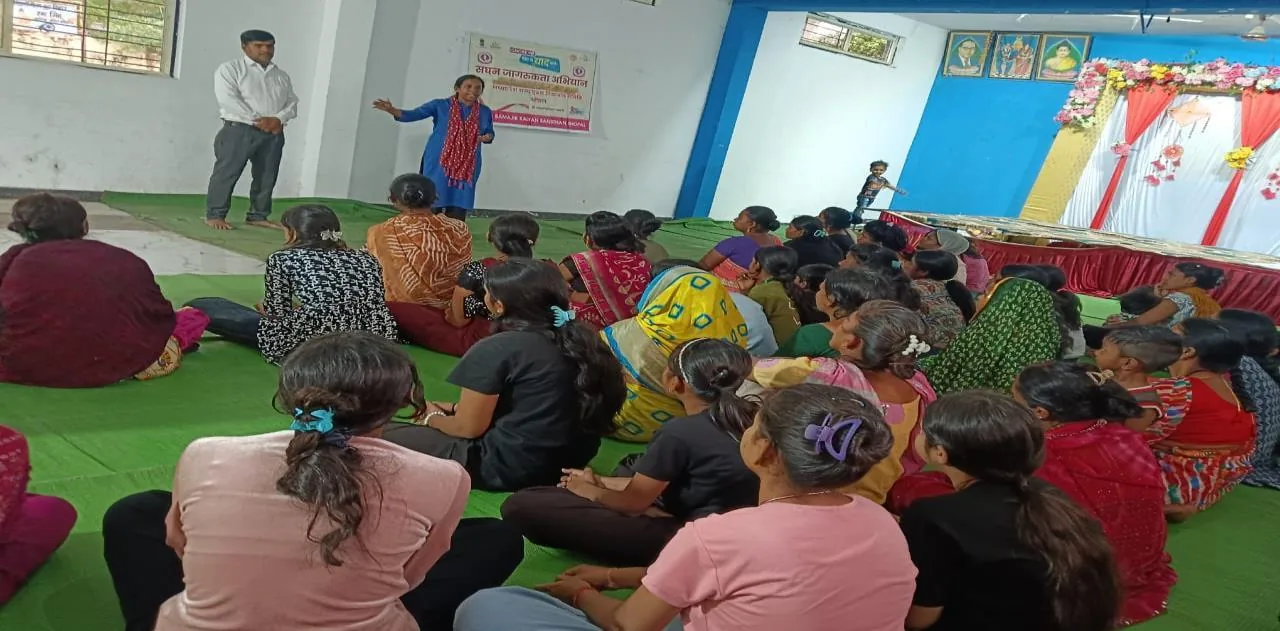
Our Vision
Our Vision
Communities where every person has the opportunity, capability and institutional support to live with health, dignity and economic security.

About us
Sumitra Samajik Kalyan Sansthan is a community-based development organisation established in Hamirpur, Uttar Pradesh, in 1993.
For more than three decades, the organisation has worked with underserved communities to strengthen health, livelihoods, women’s participation, adolescent wellbeing, sanitation, agriculture and access to essential services.
Our work is grounded in the belief that sustainable development is strongest when communities have the knowledge, institutions, relationships and confidence to shape their own progress.
Rather than working in isolation, Sumitra seeks to connect communities with existing public systems, local institutions and development opportunities while strengthening community participation and local capacity.
Today, our work extends across districts of Uttar Pradesh and Madhya Pradesh.
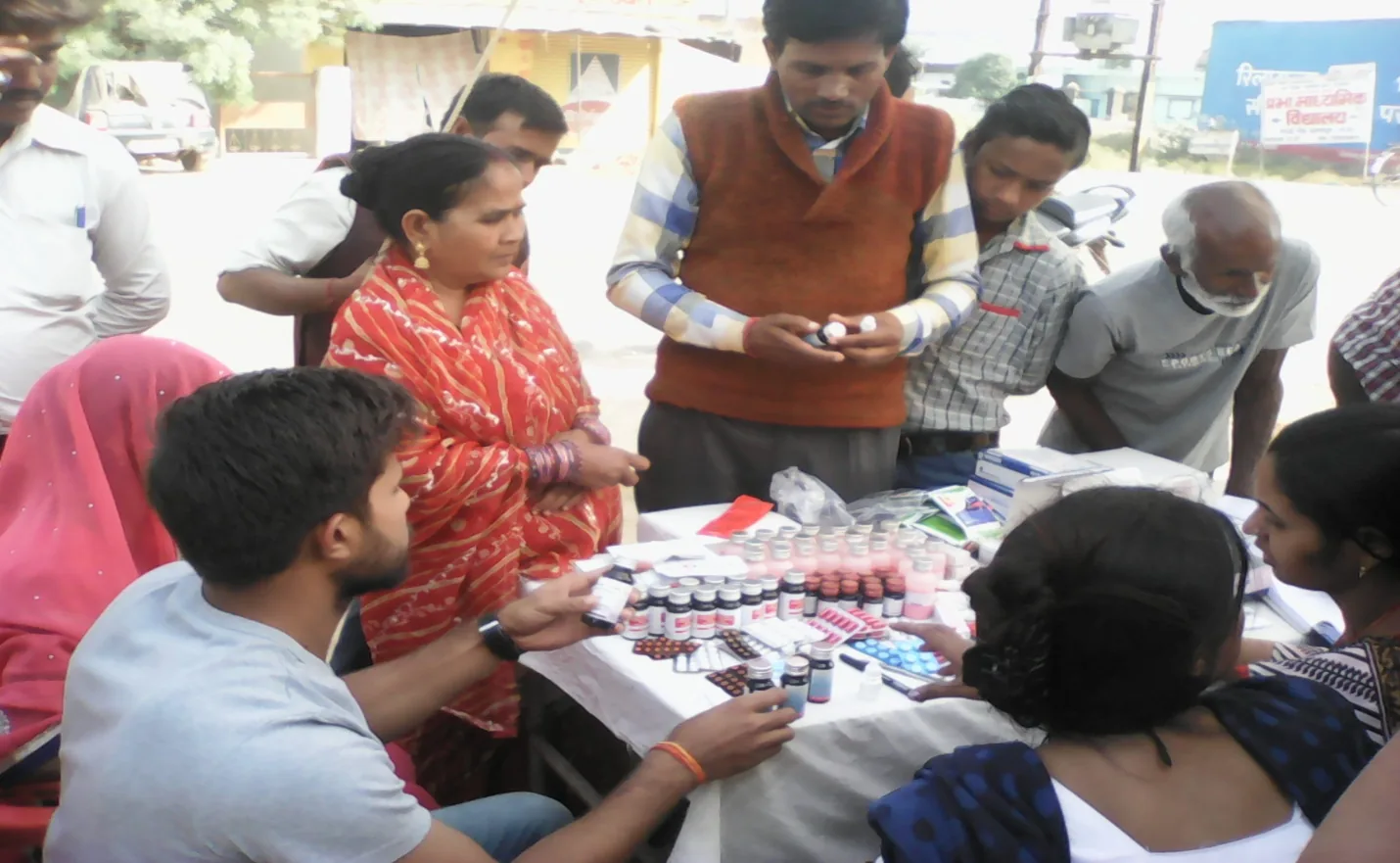
Purpose
Our work brings together local participation, institutional linkages and evidence-informed programme delivery.
Our StoryOur Vision
Communities where every person has the opportunity, capability and institutional support to live with health, dignity and economic security.
Our Mission
To work alongside underserved communities, public institutions and development partners to strengthen access to health, livelihoods, knowledge, services and opportunities through locally rooted and evidence-informed programmes.
What guides us
We begin with the realities, priorities and knowledge of the communities with whom we work.
We engage people as participants and partners in development, not as passive beneficiaries.
We value transparency, responsible stewardship and accountability in our work and partnerships.
We believe lasting change requires communities, government systems, civil society and development partners to work together.
We use evidence, reflection and field experience to continuously strengthen programme quality.
How we work
Understand community priorities, barriers and local context before designing action.
Work with community groups, local leaders and institutions to build participation and ownership.
Implement programme activities while linking communities with relevant services, institutions and opportunities.
Track participation, delivery, outputs and programme outcomes through structured monitoring systems.
Use field evidence, programme data and community feedback to improve implementation.
Build local capability and institutional linkages that can continue beyond the programme period.